Fall 2026 Newsletter
Message from the Chair
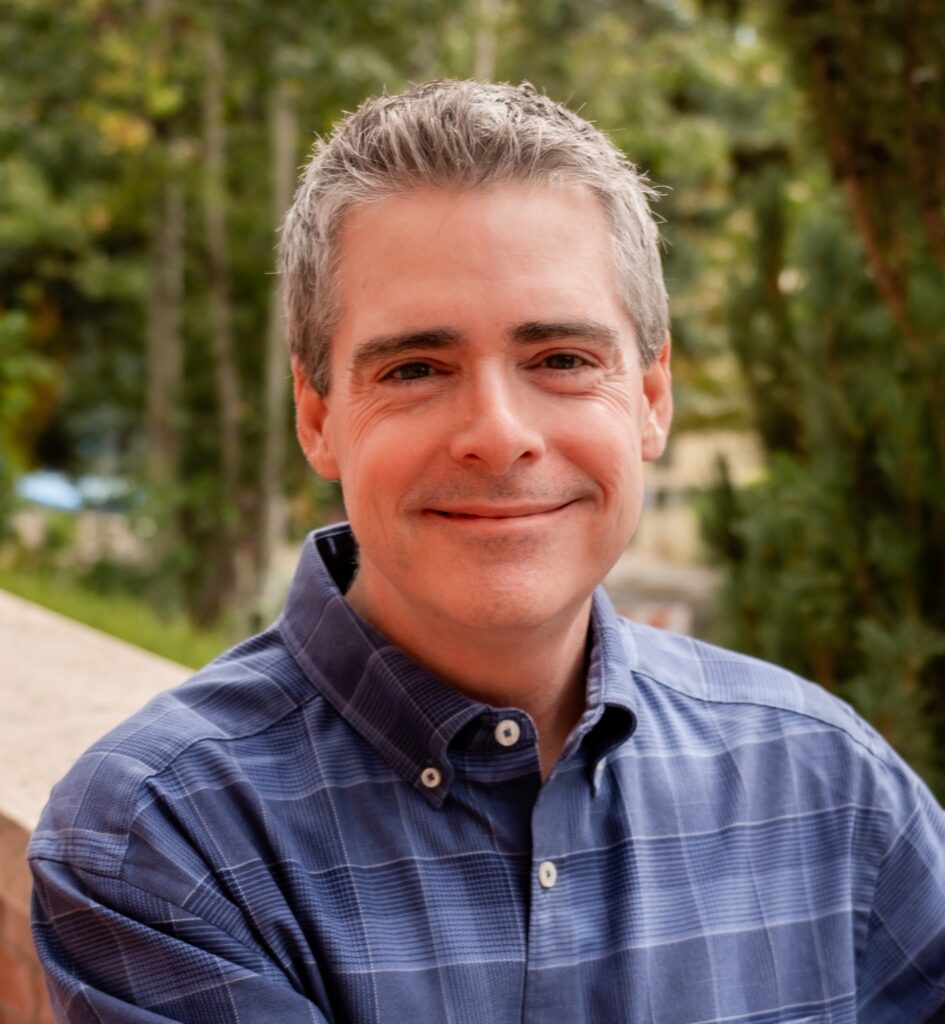
Dear alumni, colleagues, and friends of Human Development,
As another academic year gets underway at Washington State University, I’m delighted to share our fall newsletter and some of what has been happening in Human Development.
One thing I have come to appreciate deeply during my time as chair is how many different forms the work of Human Development takes. It happens in classrooms and laboratories, of course, but also in schools, community organizations, healthcare settings, workplaces, families, and communities across Washington and around the world. The stories in this issue offer a wonderful illustration of that breadth.
Table of Contents
- Message from the Chair
- WSU Cougs in Fiji: A Transformative Experiential Learning Experience
- Amy Salazar Builds International Partnership to Support Students with Foster-Care Experience
- Human Development Student Makes WSU History
- Research for Real Life
- Katie Forsythe Takes on New Student Success Leadership Role
- Internships
- Welcome New Graduate Students
- Department Awards
- By the Numbers
Our students continue to take what they learn beyond the classroom. Last year alone, 79 Human Development students contributed nearly 14,000 hours through internships in organizations serving children, families, older adults, and communities. This summer, another group of students traveled to Fiji, where they learned firsthand about the relationships among health, culture, family, community, and the environment. And this fall, HD senior Nicole Anthony made WSU history by becoming the first Global Campus student to serve on the university’s Board of Regents.
Our faculty and graduate students are equally engaged in work with real-world implications. As you’ll read in this newsletter, their recent research addresses questions ranging from how families can help young adults make healthier choices to how communities can better support older adults, children in foster care, and Indigenous families. Other work examines early brain development, childhood boredom, stress, loneliness, and the environments that help people thrive. This work engages different populations, different methods, and different questions, all with a shared commitment to understanding human lives and using that knowledge to make them better.
You’ll also read about the many honors our faculty and staff have received, the international reach of our work, and the ways members of our HD community are taking their expertise into new leadership roles across WSU and beyond.
What strikes me when I consider these stories is how well they represent what Human Development is about. We study people across the lifespan and in the contexts that matter to them: their families, relationships, communities, cultures, and institutions. And we prepare students not just to understand those contexts, but to contribute meaningfully to them.
I hope you enjoy catching up with us through the stories that follow. Wherever you are and however you are connected to Human Development, thank you for remaining part of our community. We are proud to share what HD students, faculty, staff, and alumni are accomplishing, and we’re always glad to hear from you.
Go Cougs!
Kory Floyd, PhD, EdS
Professor and Chair
WSU Cougs in Fiji: A Transformative Experiential Learning Experience
This past summer, 16 WSU undergraduate students from three campuses traveled to Fiji for an immersive study-abroad experience that challenged them to think differently about health, culture, community, and wellbeing. Led by Professors Caitlin Bletscher (WSU Vancouver) and Raven Weaver (WSU Pullman), the ten-day program brought classroom learning to life through engagement with Fijian educators, professionals, families, and communities.
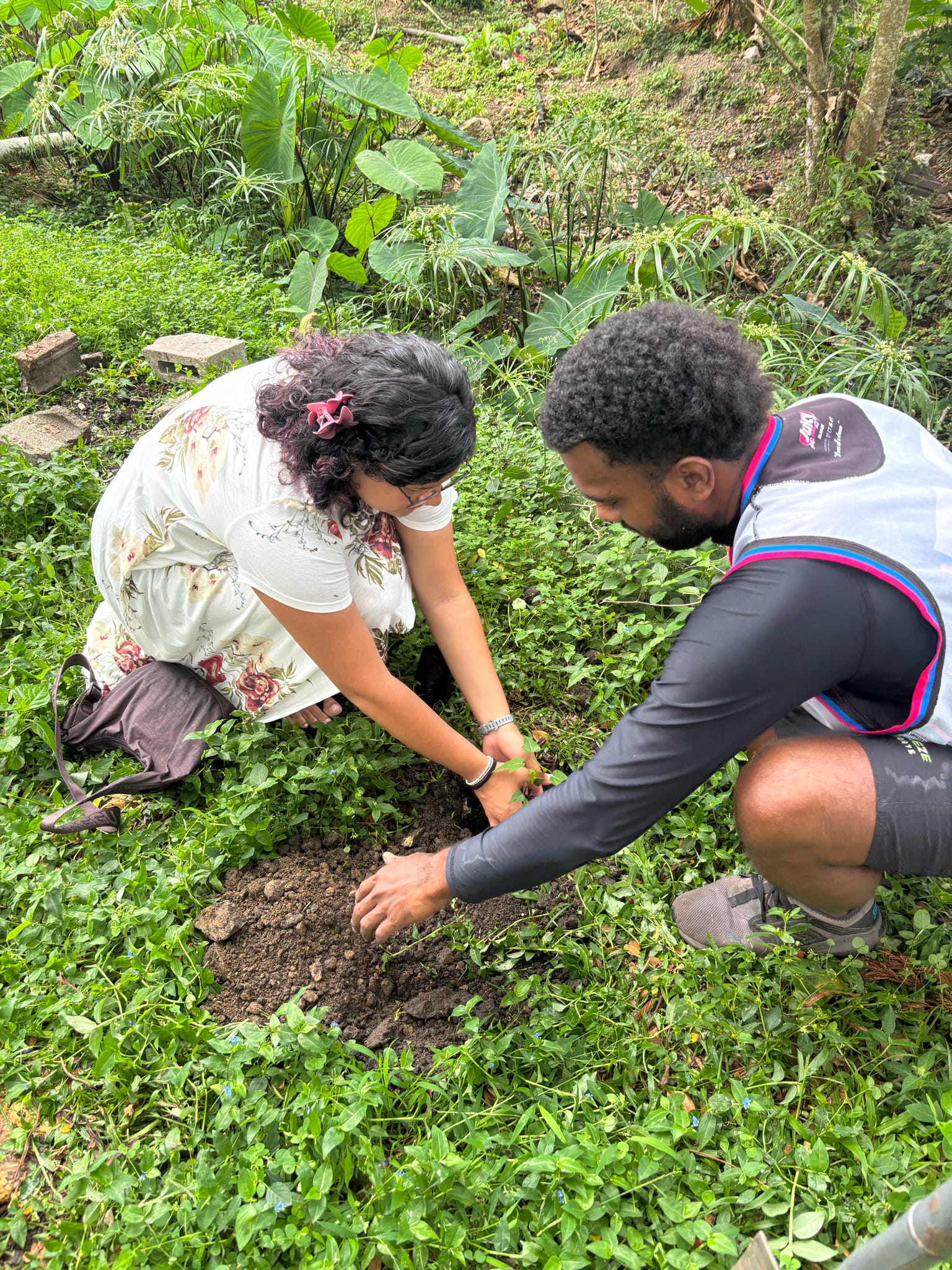
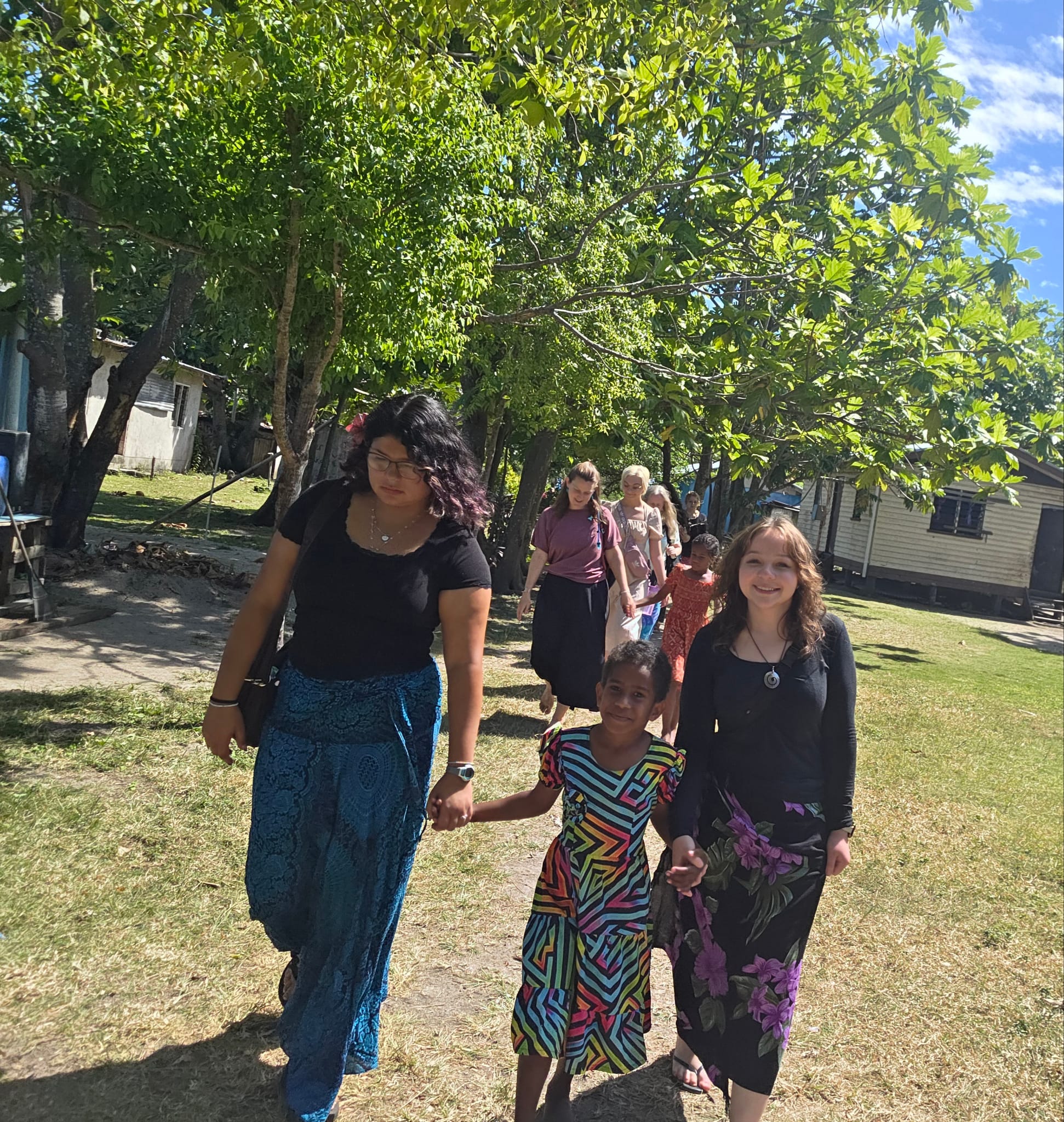
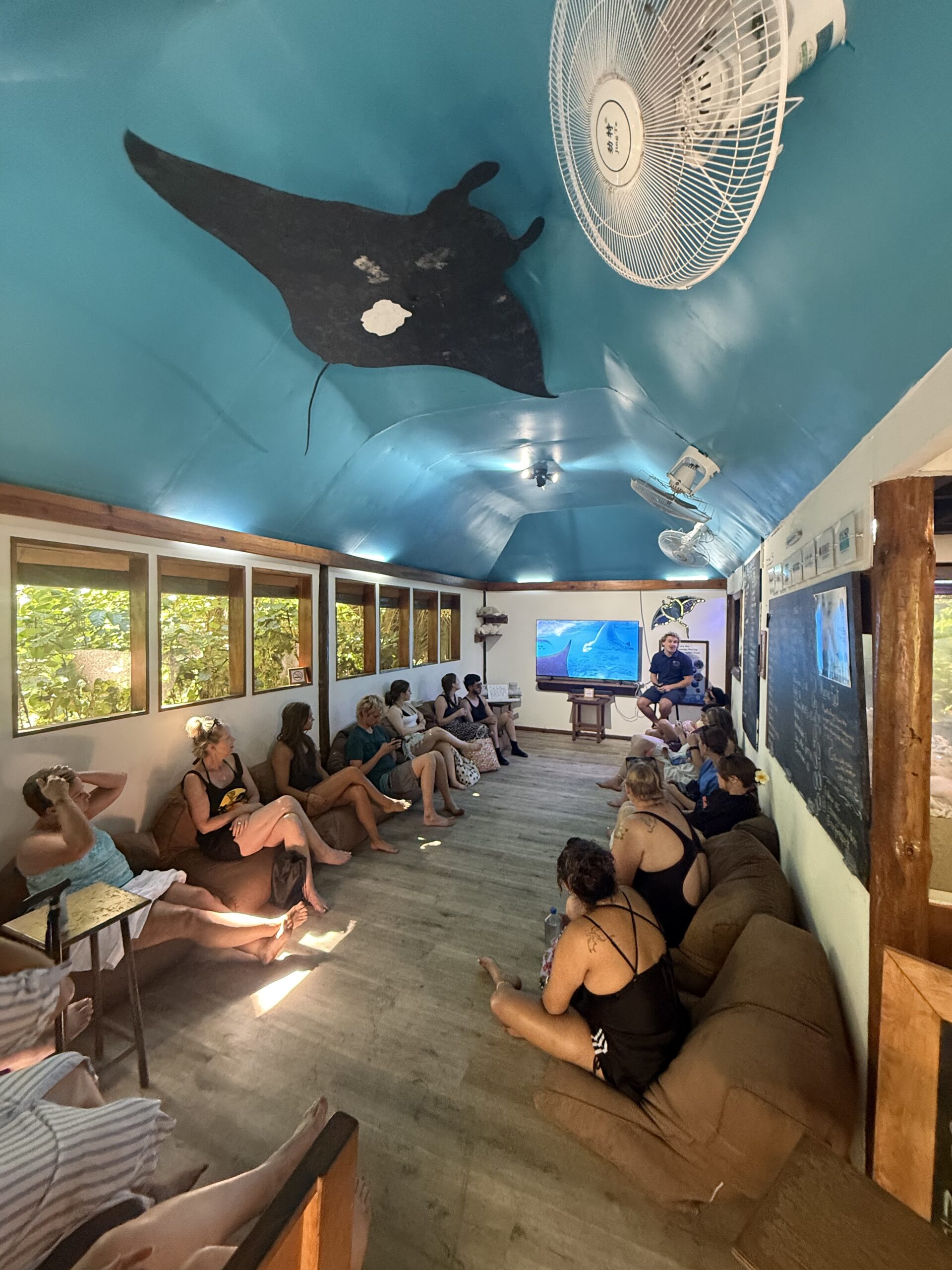
Students began at the University of the South Pacific, learning about social services and community life before traveling to Votua Village for homestays with local families. There, they took part in a traditional sevusevu welcome ceremony, shared food, music, and dance, and participated in a village service-learning project. Later, at Barefoot Manta Island Resort, students worked alongside a marine biology team on conservation efforts that included planting mangroves and restoring damaged coral.
Throughout the experience, students encountered Vanua, a Fijian concept that emphasizes the interconnectedness of people, culture, relationships, and the environment. That perspective offered a new way of thinking about community health and prompted students to reconsider assumptions they had brought with them from their coursework and lives in the United States.
In their reflections, students repeatedly pointed to the strength of community relationships and belonging as one of the most meaningful lessons of the program. They saw firsthand how family, intergenerational relationships, shared responsibility, culture, and social connectedness contribute to health and wellbeing. They also grappled with differences in healthcare access, traditional healing and Western medicine, and the importance of listening to communities rather than arriving with predetermined solutions.
The learning continued after students returned home. Several described experiencing “reverse culture shock” as they reconsidered their relationships with time, material resources, community, and one another. Others identified ways they hope to carry what they learned into future careers, particularly in healthcare and public health.
The Cougs in Fiji experience offered something difficult to replicate in a traditional classroom. Students returned to WSU not simply with new knowledge, but with new ways of thinking about health, community, culture, and their own roles in an interconnected world. Experiences like these demonstrate the power of transformative, community-centered learning to foster cultural humility, global awareness, and professional growth.
Amy Salazar Builds International Partnership to Support Students with Foster-Care Experience
This summer, Human Development Professor Amy Salazar traveled to Japan to advance an international collaboration focused on helping young people with foster-care experience succeed in higher education.
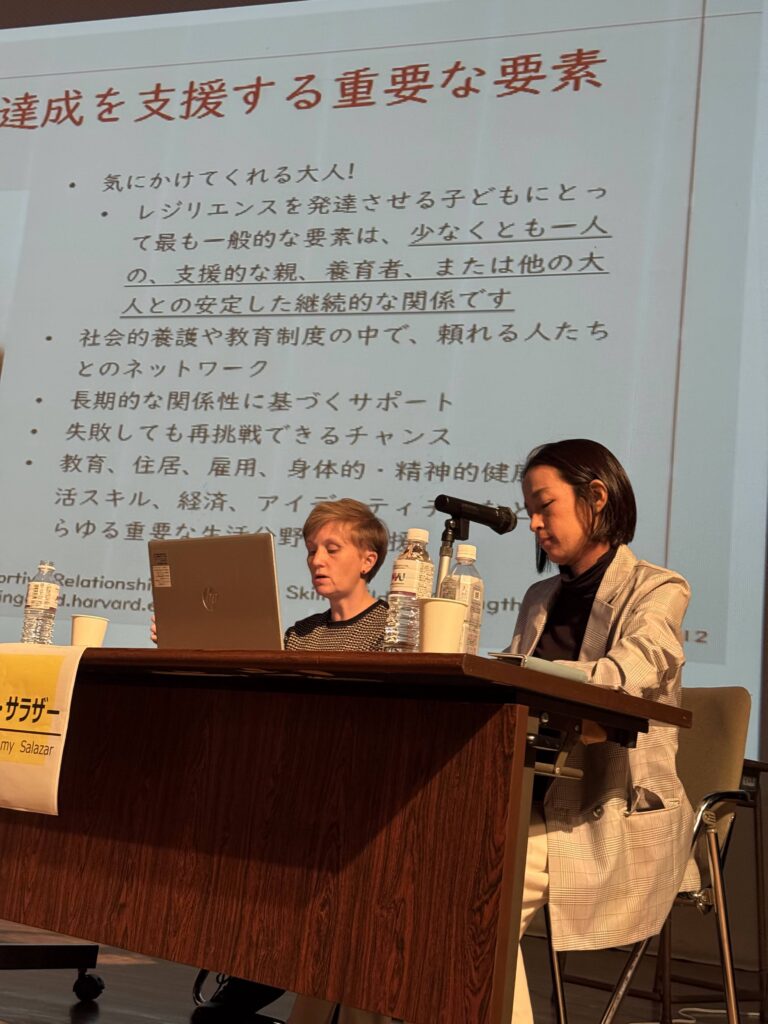
Salazar is working with research partners at the International Foster Care Alliance to conduct a pilot study of an intervention designed to support college access and retention among students who have experienced foster care. During her visit, she traveled throughout Japan interviewing students and support staff, gathering feedback on what it has been like to participate in the program.
Salazar also shared her expertise at Musashino University in Tokyo, where she gave a symposium presentation on foster care and higher education.
The collaboration extends Salazar’s longstanding work focused on improving educational opportunities and outcomes for young people with foster-care experience while bringing that work into an international context. By learning directly from students and the professionals who support them in Japan, the project lays groundwork for understanding how higher-education systems can better help young people with foster-care experience access college and persist toward a degree.
Human Development Student Makes WSU History
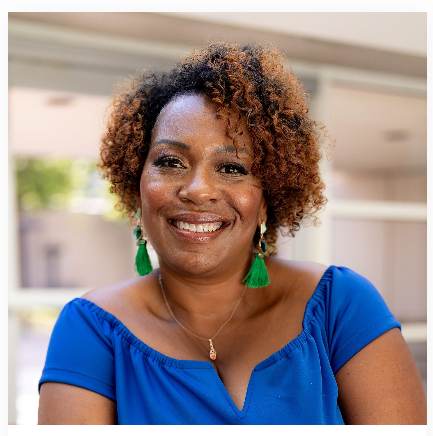
Human Development senior Nicole Anthony is making WSU history as the university’s student member of the Board of Regents for the 2026–2027 academic year. A Tacoma native who is completing her bachelor’s degree through WSU Global Campus, Anthony is the first Global Campus student to serve as a WSU regent, bringing to the university’s governing board the perspective of an online student who has balanced college with work and parenting. Her professional life has similarly centered on children and families, with experience supporting college access, developing youth leadership, training professionals who work with young people, and creating programs designed to strengthen opportunities for children. As student regent, Anthony joins the 11-member board responsible for overseeing the WSU system and will help bring student perspectives into conversations about the university’s future. Her appointment is especially meaningful for Human Development in that Anthony’s studies complement a professional commitment to understanding how institutions and communities can better serve young people and families. She hopes to use her year on the board to strengthen connections between WSU students and university leadership while representing the varied experiences of students across the WSU system. Anthony is one of three new regents who joined the board this fall, and her first term runs through June 2027. Her appointment offers a remarkable example of where a Human Development education can lead and of the ways HD students are already contributing their perspectives and experiences to leadership at the highest levels of the university.
Research for Real Life
From supporting healthy development and strengthening families to improving healthcare, preventing substance misuse, and fostering meaningful social connection, HD research addresses challenges that matter in people’s everyday lives. Our faculty and graduate students continue to produce scholarship with practical implications for helping individuals, families, and communities thrive. Here are some highlights from their recent work.
Helping Young Adults Make Healthier Choices
How can families and colleges help young adults navigate alcohol and cannabis use? New research from HD faculty and graduate students tackles that question from two directions. Jennifer Duckworth, Kristi Morrison, Gitanjali Shrestha, Brittany Cooper, and colleagues identified distinct patterns of substance use among students attending two-year colleges, helping pinpoint groups that may benefit from more tailored prevention efforts. In a second study, Morrison, Duckworth, Cooper, and Laura Hill evaluated a simple parent-based intervention delivered before students entered college. Students whose parents received the handbook reported fewer alcohol- and cannabis-related consequences during their first semester, suggesting that parents can continue to play an important preventive role even as their children transition to college.
Supporting Health and Wellbeing as We Age
Two recent projects involving Raven Weaver and Cory Bolkan explore how health and social systems can better serve people later in life. In one study, HD graduate student Kelly O’Sullivan, Weaver, Bolkan, and colleagues examined a partnership connecting primary-care patients with an Area Agency on Aging. Nearly three-quarters of the older adults screened reported at least one unmet social need, underscoring the potential value of stronger connections between healthcare and community-based services. In related work, Autumn Decker, Weaver, Bolkan, and colleagues reviewed a decade of programs designed to build “death literacy” among U.S. health-professions students: the knowledge and skills needed to understand and communicate effectively about death and dying. Together, the studies highlight the importance of preparing both systems and professionals to respond to the complex needs of an aging population.
From Infant Brains to Childhood Boredom
What can brain activity tell us about early development, and even about how children handle being bored? Sammy Perone and colleagues addressed both questions in recent studies using EEG. In one, Perone and Maria Gartstein examined patterns of brain-network organization among infants ages 6 to 12 months, finding developmental changes in how brain activity is integrated and segregated and associations with aspects of temperament. In another, Perone, HD graduate student Aryn Vaughan, Alana Anderson, and Elizabeth Weybright studied 4- to 6-year-olds during a deliberately boring task. Children whose parents reported allowing them to resolve boredom on their own showed a pattern of brain activity consistent with greater approach motivation, offering intriguing evidence about how children may learn to regulate boredom.
Strengthening Families and Youth in Child Welfare
Recent work from HD Vancouver highlights ways that families, caregivers, and child-welfare systems can better support young people. Amy Salazar, Jenna Thompson, and colleagues developed a new measure of foster and adoptive caregivers’ readiness to care for LGBTQ+ youth, providing a potential tool for identifying training and support needs and improving placement fit. In another project, Thompson, Salazar, HD graduate student Sara Spiers, and collaborators evaluated a training-and-coaching model designed to strengthen the capacity of child-welfare professionals and organizations to meaningfully engage young people in decisions about their lives. Sara Waters and colleagues, meanwhile, centered the experiences of urban Indigenous caregivers in research examining how kinship, culture, community, and belonging can contribute to healing from intergenerational trauma. Together, the projects illustrate HD’s commitment to research that not only studies families and young people but also strengthens the systems and communities that support them.
- Read the caregiver-readiness study
- Read the youth-engagement study
- Read the Indigenous caregiving study
Creating Environments Where People Can Thrive
Two new studies ask how the environments surrounding young people can help them succeed. Isabella Santiago, Marley Fox, and Nicole Scalise examined college students’ memories of their secondary-school math classrooms through the lens of self-determination theory. More positive experiences—especially those reflecting autonomy, competence, and connection with others—were associated with lower math anxiety in college, and students pursuing STEM majors recalled more positive secondary-school math experiences than their non-STEM peers. At the systems level, Brittany Cooper, Gitanjali Shrestha, and colleagues examined how evidence-based prevention processes can better incorporate community priorities and perspectives. Their work offers a framework for strengthening the connection between rigorous evidence and the needs of the communities prevention systems are intended to serve.
Connection, Affection, and Everyday Wellbeing
Recent HD scholarship also explores how everyday experiences of stress, affection, and social connection contribute to wellbeing. Michael Cleveland and colleagues compared self-selected relaxing music with quiet reading before a stressful task. Both activities reduced anticipatory anxiety, while physiological measures revealed different patterns of stress response, opening new questions about how ordinary activities may help people prepare for stressful experiences. In research on close relationships, Lisa van Raalte and Kory Floyd examined how getting the amount of cuddling one desires relates to relationship satisfaction, closeness, and trust. Floyd and Nicole Zenzola take a broader look at human connection in a new book chapter addressing affectionate communication as a potential antidote to loneliness. They consider not only the established benefits of giving and receiving affection but also ways communication technologies—from video calls to emerging forms of virtual touch—could help people maintain affectionate connections when physical proximity is not possible.
Katie Forsythe Takes on New Student Success Leadership Role
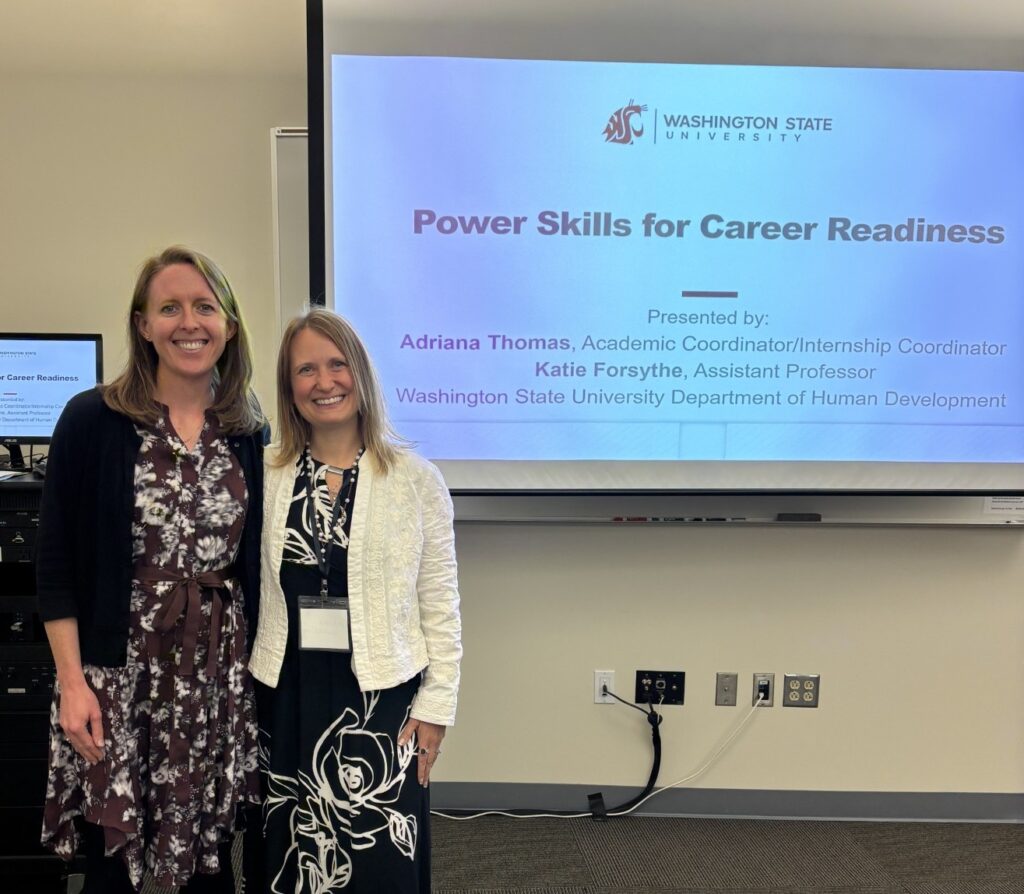
After several years of helping Human Development students connect their education with opportunities beyond the classroom, Professor Katie Forsythe is bringing that experience to a new university leadership role. Forsythe has been named director of student success for WSU’s College of Arts and Sciences, where she will lead efforts to more intentionally connect academic learning, experiential opportunities, and preparation for life after graduation. In Human Development, Forsythe served as a scholarly assistant professor and internships coordinator, working closely with students and employers and helping lead industry tours for Human Development and psychology students. She also served as the inaugural director of WSU’s Transformational Change Initiative, led the WSU Association for Faculty Women, and recently received the 2025–2026 WSU Excellence in Online Teaching Award. In her new position, Forsythe will help advance the College of Arts and Sciences’ Career-Ready, World-Ready initiative, including developing a student portfolio program and helping students recognize and articulate the skills they gain through coursework, internships, research, and other experiences. Her move represents an exciting opportunity to extend approaches to student development and career preparation that have been central to her work in HD to students across the College of Arts and Sciences.
Internships
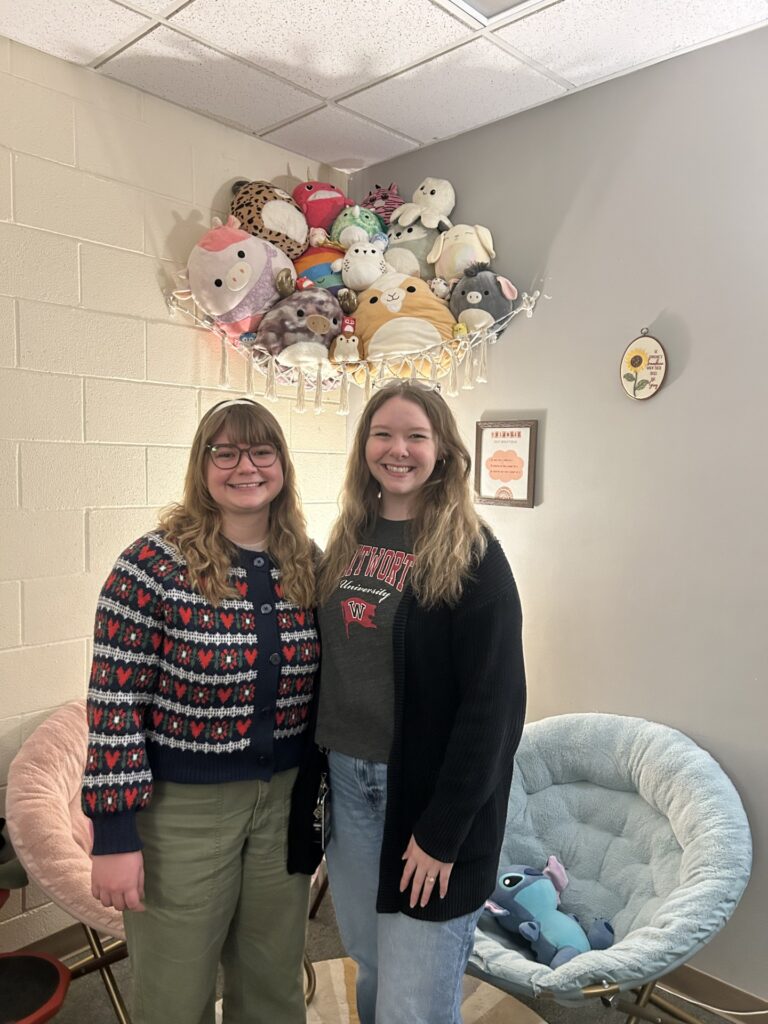
The HD internship program gives students the opportunity to translate what they learn in the classroom into meaningful, real-world experience while contributing to organizations and communities throughout the region. In 2025 alone, 79 HD students completed internships and contributed a remarkable 13,840 hours of service and professional experience. Participation spanned the entire year, with 44 students completing 7,761 hours in spring, 19 students completing 3,477 hours in summer, and 16 students completing 2,601 hours in fall. Through these experiences, students build professional skills, explore career pathways, develop relationships with community partners, and put their knowledge of human development into practice, preparing them to become effective professionals while strengthening the communities they serve.
Those hours take HD students into an extraordinary range of professional settings. With a network encompassing more than 1,000 internship locations, students gain experience in organizations such as child and family service agencies, Head Start programs, schools, youth programs, residential treatment centers, community action organizations, disability services, and programs serving older adults. These placements do more than provide valuable hands-on experience; they often launch careers. Among HD alumni, 79% have found employment in the human development field following their internships, including 41% who went on to work for the same organization where they completed their placement.
Welcome New Graduate Students
The department of human development was pleased to welcome five new students to our prevention science PhD program this fall.
Annaliese Feld
I am a Washington State native and have lived here most of my life, apart from five years in Illinois, where I attended graduate school at the University of Illinois Urbana-Champaign after graduating from the University of Washington School of Social Work. I am a single mom of three: a 13-year-old daughter, a 9-year-old daughter, and a 5-year-old son.
I have spent much of my life working with people experiencing homelessness and survivors of domestic violence, beginning with organizing my first coat drive in elementary school and with a particular focus on children. I remain invested in these communities both professionally and personally, although my professional interests have increasingly focused on the effects of laws and legal processes. I am very excited to be a Coug now—even if it greatly complicates the Apple Cup for me!
Beth Learn
I am originally from Oregon, where I earned my Bachelor of Science in Exercise and Sport Science from Oregon State University in 2001. Since then, while raising two children, I have trained and earned certifications in a wide variety of fitness specialties, including yoga, Pilates, hypopressives, aerobics, spinning, weightlifting, prenatal and postpartum fitness, restorative exercise, and diastasis-aware fitness. My professional workout videos on fit2b.com are endorsed by nurses, doulas, physicians, athletic trainers, and physical therapists around the world.
For my doctoral studies in Prevention Science at WSU, I plan to explore correlations between low-barrier, play-based fitness modalities and relapse rates among postpartum women with substance use disorder. I am happiest when I am helping people understand their bodies, overcome their fear of fitness, and learn how to move with freedom and simplicity. Outside of my doctoral studies, I enjoy spending time with my adult children, teaching local fitness classes at my private studio, volunteering in the addiction recovery community, and racewalking with my champion Portland to Coast team. My other hobbies include skiing, hiking, yard saling, and gardening on my small farm in rural southwest Washington.
Claire Nitsche
I am originally from Bainbridge Island, Washington, and currently live in Bellingham. I hold a Master of Public Health from the Colorado School of Public Health, a Master Certified Health Education Specialist certification, and a BA in Cultural Anthropology from Western Washington University.
For my doctoral studies, I am working with Dr. Amanda Boyd to look at applications of environmental health literacy and behavior change theories to support the health of mountain communities in the Nepalese Himalayas who are impacted by tourism-driven pollution and environmental degradation. This work is inspired by my family and professional connections in Nepal, where I previously supported high-altitude mountain workers and mountain communities affected by tourism-driven environmental pollution.
I am pursuing my doctoral studies part-time while continuing my work as a Senior Health Educator at the Washington State Department of Health, where I develop and lead the state’s PFAS (“forever chemicals”) health promotion program.
Anna Voronyuk
I am a first-year PhD student in Prevention Science. My background includes education, public health, and healthcare, as well as experience in clinical and biomedical research, global health data analysis, and academic program development. My doctoral interests include risk and protective factors, behavioral prevention interventions, program evaluation, and implementation across diverse populations and settings. Outside of my studies, I enjoy knitting, reading, and hiking with my family.
Amy West
I am from Spokane, and I graduated from the University of British Columbia in 2024 with an Honors Bachelor of Science in Psychology and a minor in creative writing. My research interests focus primarily on early childhood learning and math development, particularly the roles of family relationships and community spaces such as libraries in supporting early math learning.
Department Awards
Human Development faculty and staff have earned an impressive array of honors this year, recognizing excellence in teaching, research, service, advising, leadership, and administration.
Congratulations to all our honorees for the many ways they represent excellence in Human Development!
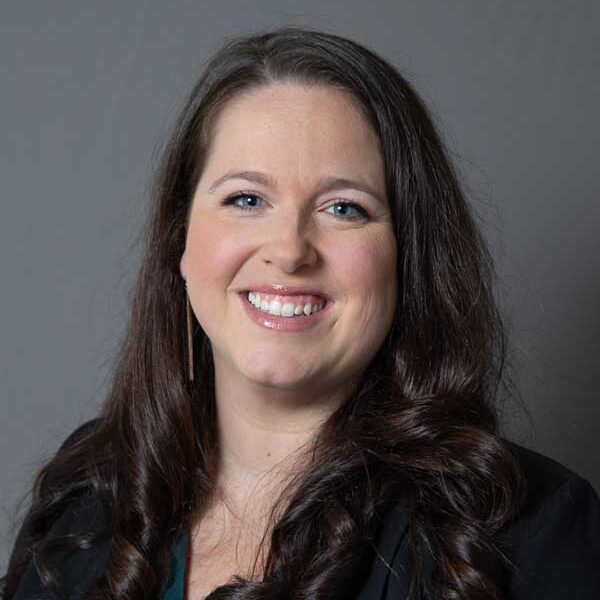
Caitlin Bletscher received the Outstanding Educator Award from the Community Development Society.
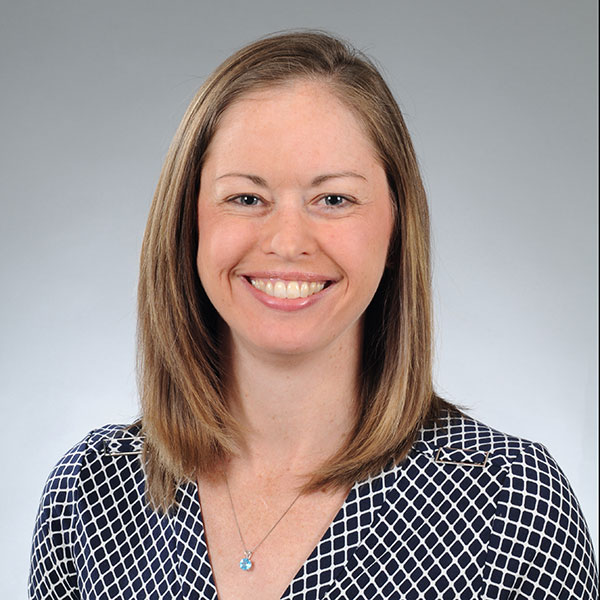
Brittany Cooper was honored with the Service to SPR Award from the Society for Prevention Research.
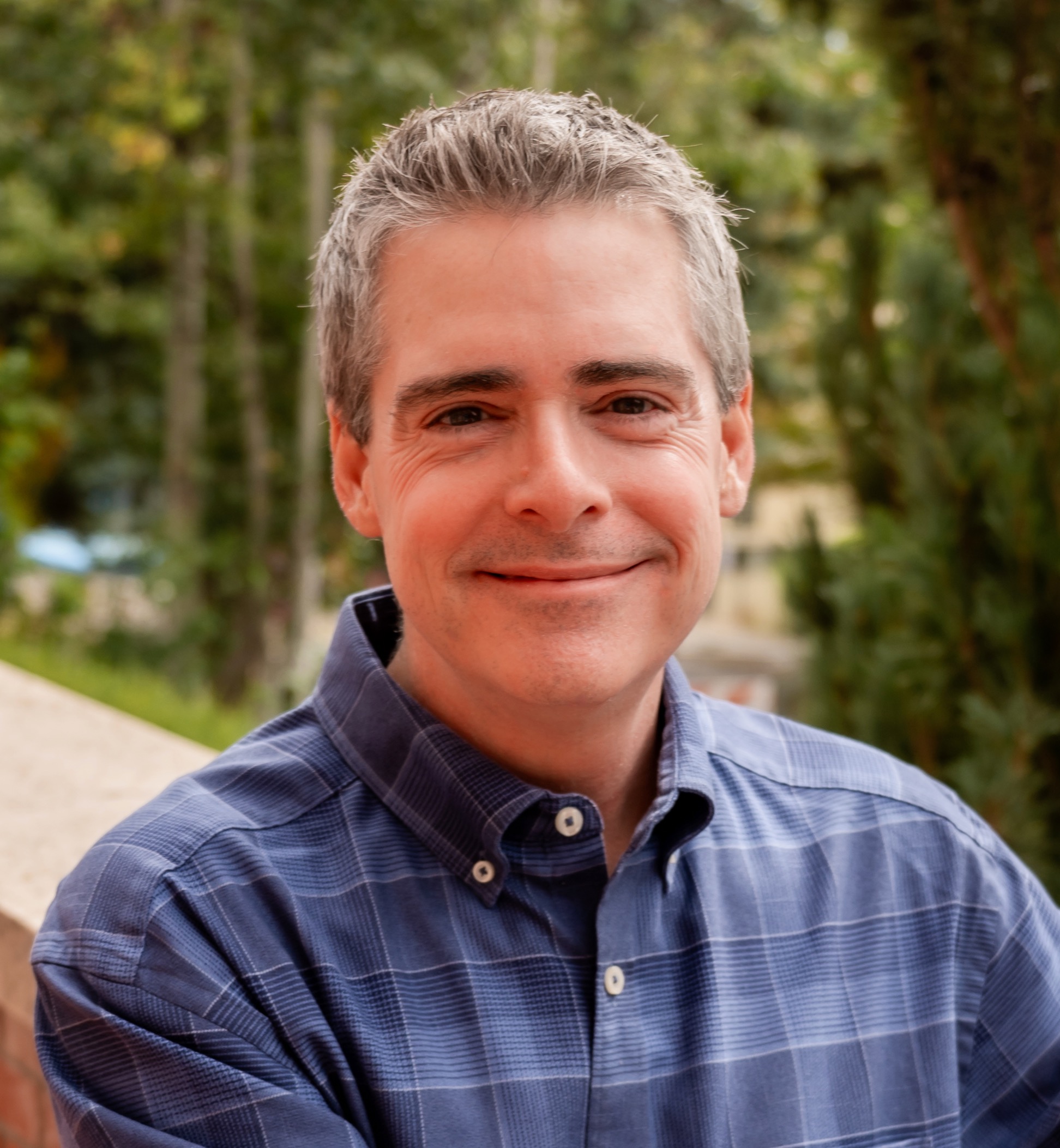
Kory Floyd was inducted as a Fellow of the International Association for Relationship Research.
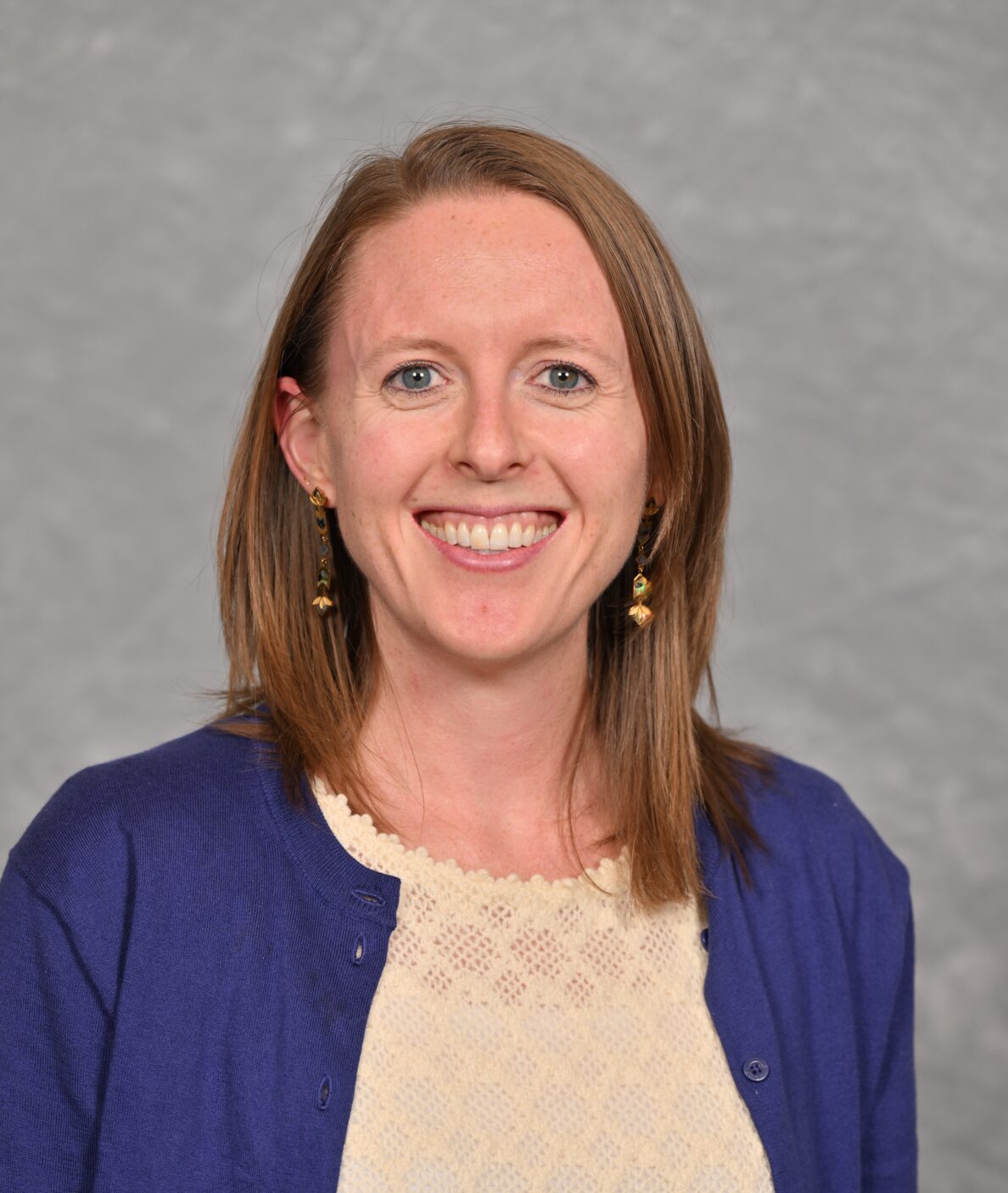
Katie Forsythe received two WSU honors: the 2026 Leader of Distinction Award from the President’s Commission on the Status of Women and the 2025–2026 Global Campus Excellence in Online Teaching Award.
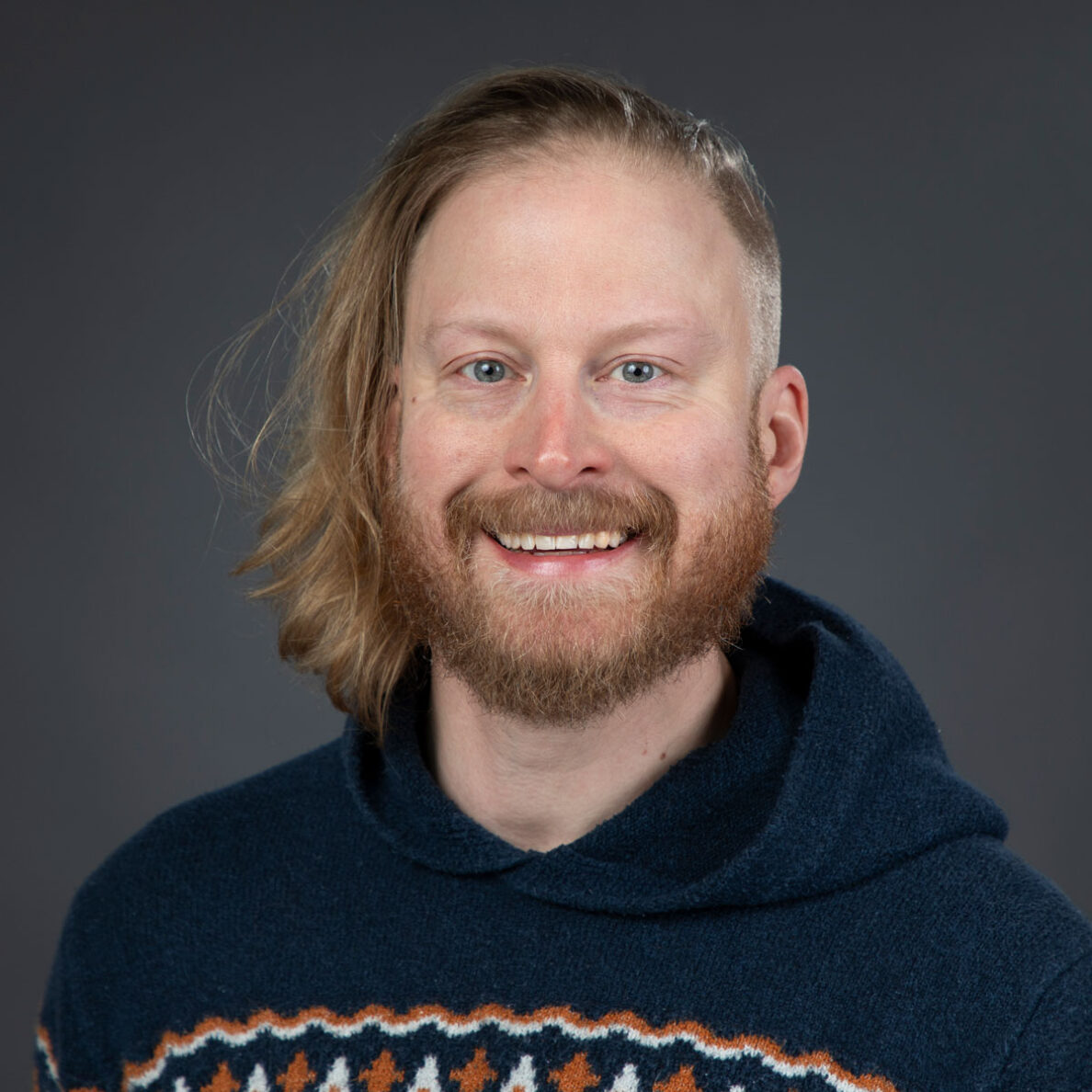
Rich Giles, academic advisor, received the CAHNRS Excellence in Academic Advising Award.
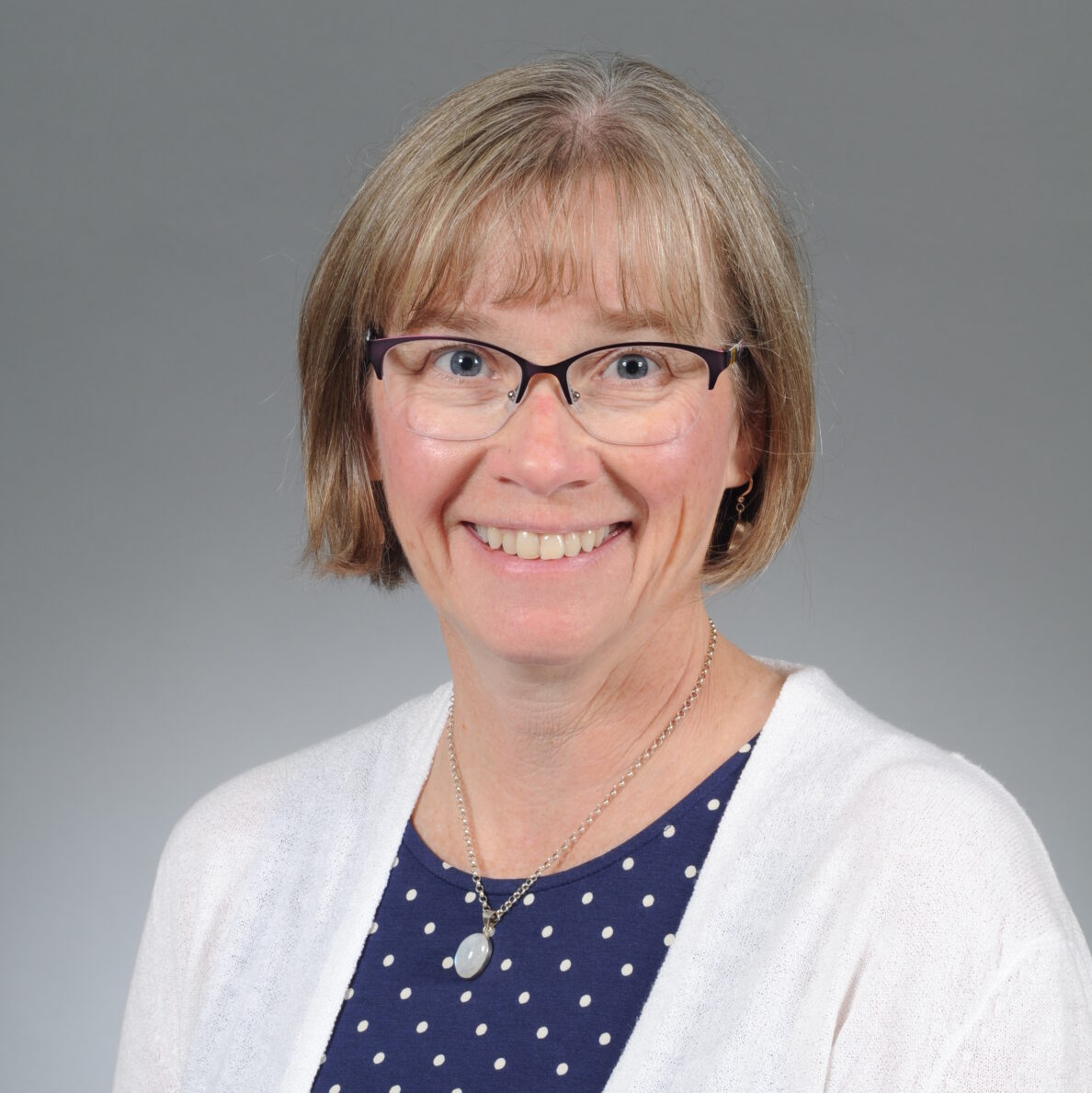
Debbie Handy received a Lifetime Achievement Award from the Family and Consumer Sciences Educators’ Section of the Washington Association for Career & Technical Education.
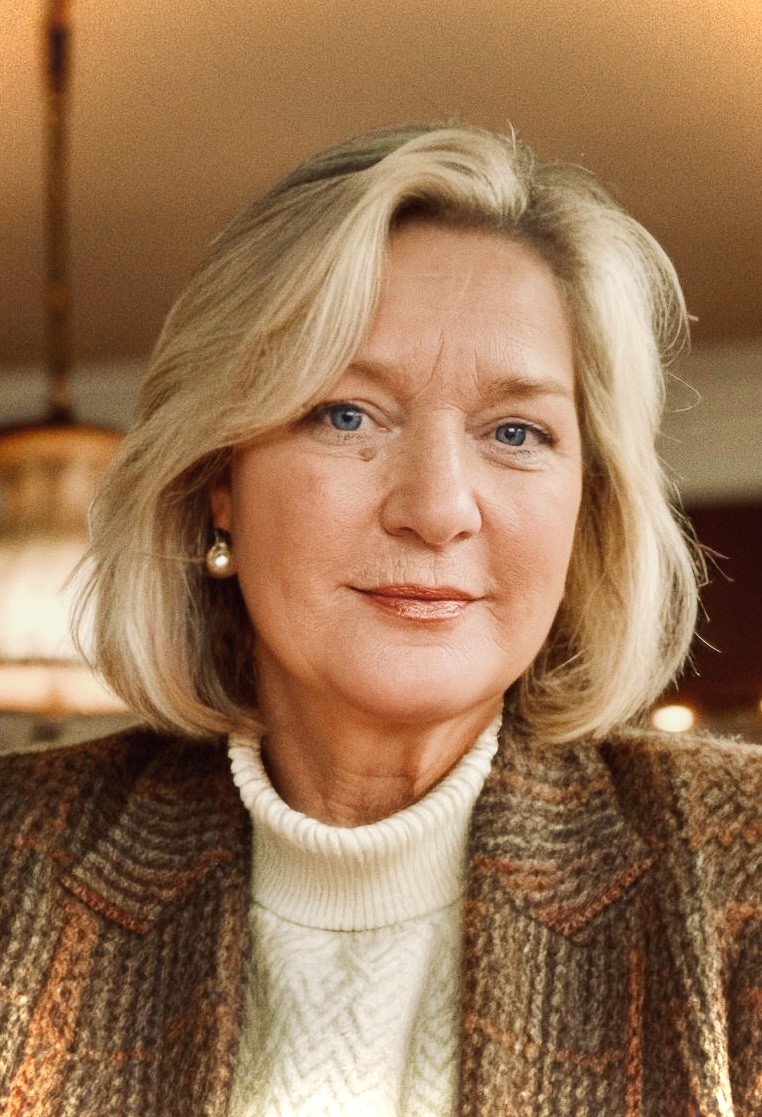
Patricia Pendry was inducted as a Fellow of the International Society for Anthrozoology.
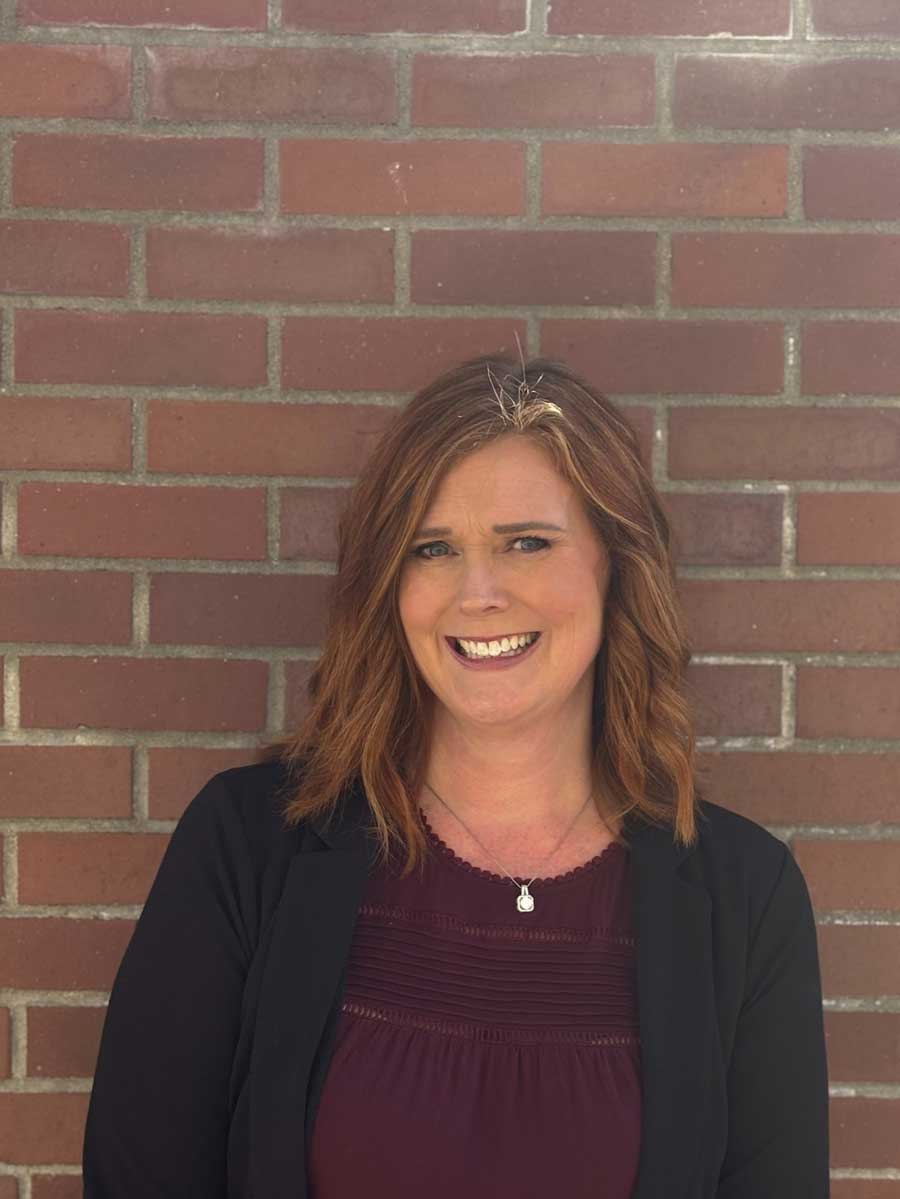
Angela Merrill, administrative manager, received the CAHNRS Administrative Professional Staff Excellence Award.
By the Numbers
Understanding people. Strengthening communities. Building brighter futures.
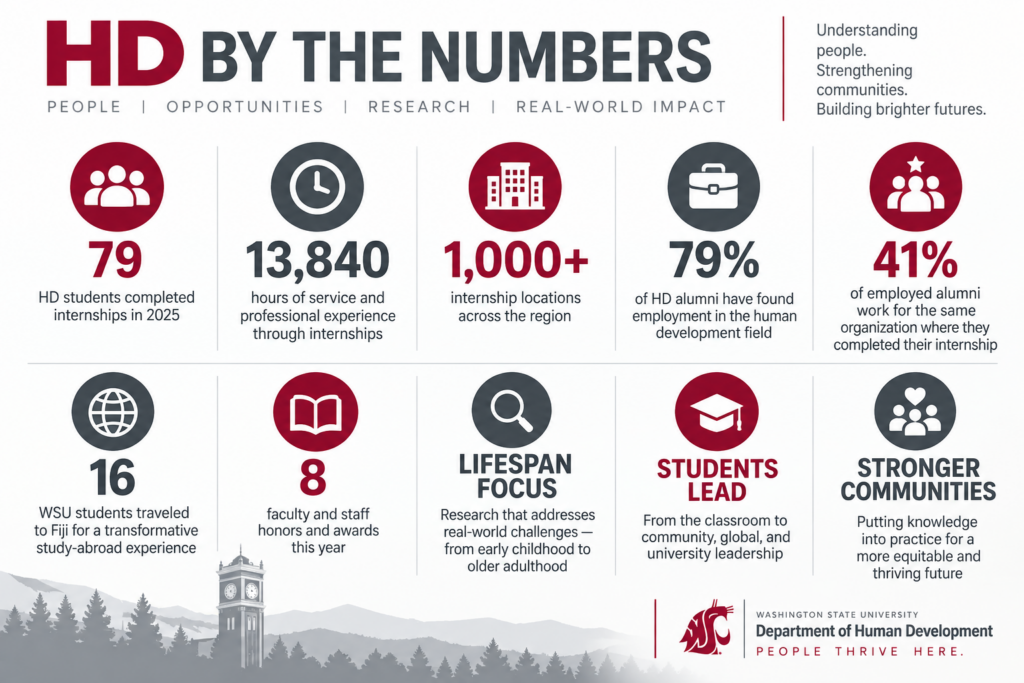
People and Opportunities
- 79 Human Development students completed internships in 2025.
- 13,840 hours of service and professional experience were completed through internships.
- More than 1,000 internship locations are available across the region.
- 79% of Human Development alumni have found employment in the human development field.
- 41% of employed alumni work for the same organization where they completed their internship.
Experiential Learning and Achievement
- 16 WSU students traveled to Fiji for a transformative study-abroad experience.
- 8 faculty and staff honors and awards were received this year.
Research and Impact
Lifespan Focus
Human Development research addresses real-world challenges across the lifespan, from early childhood through older adulthood.
Students Lead
Human Development students develop leadership skills in the classroom, on campus, in their communities, and in global experiences.
Stronger Communities
Human Development puts knowledge into practice to help create a more equitable and thriving future for individuals, families, and communities.