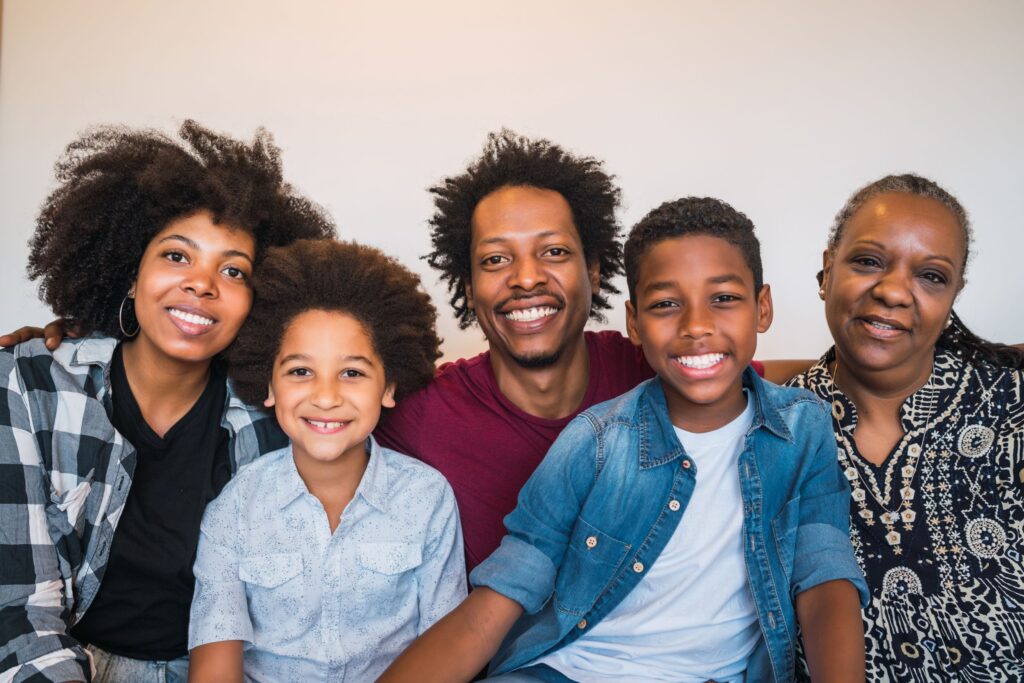
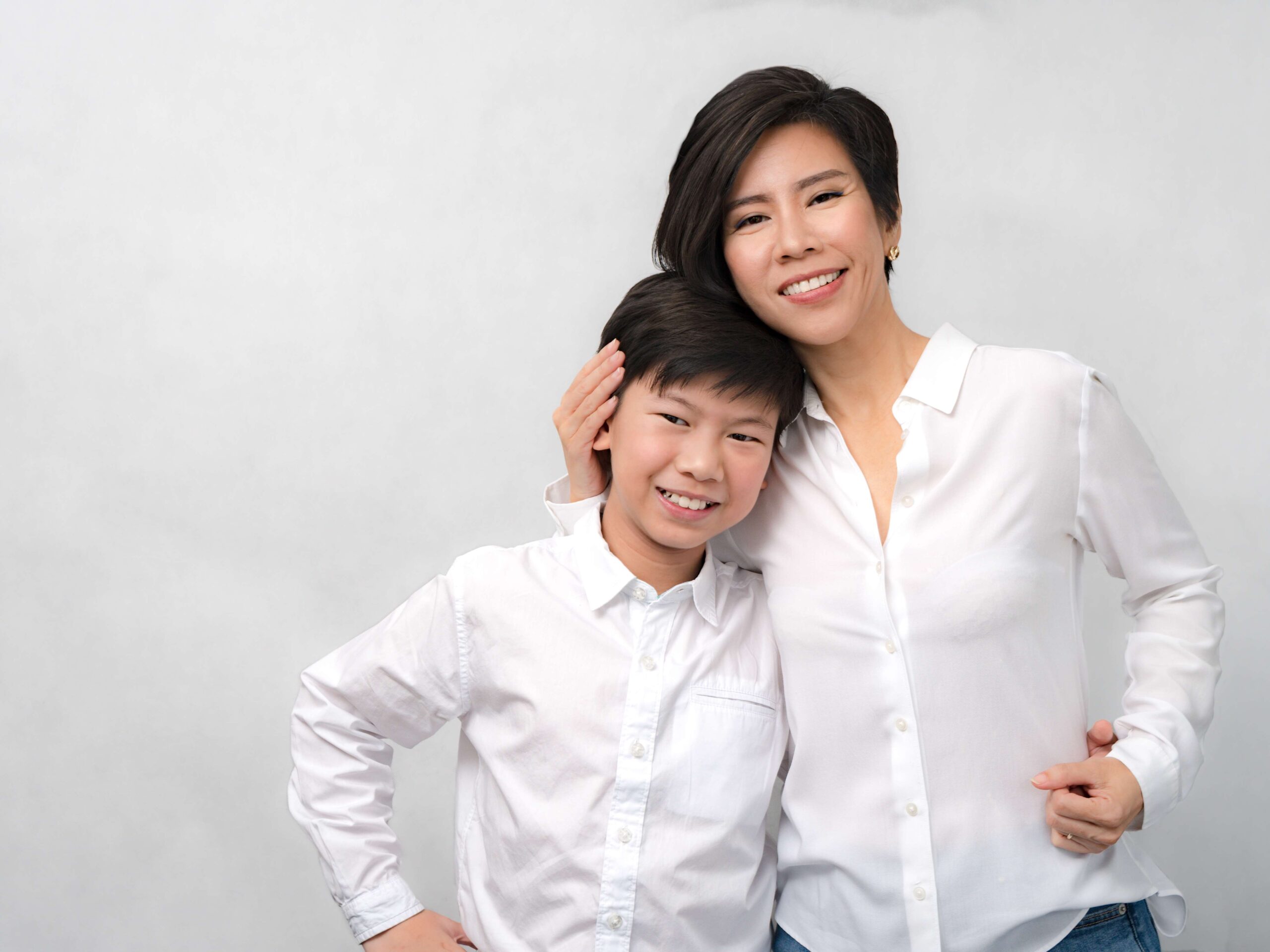
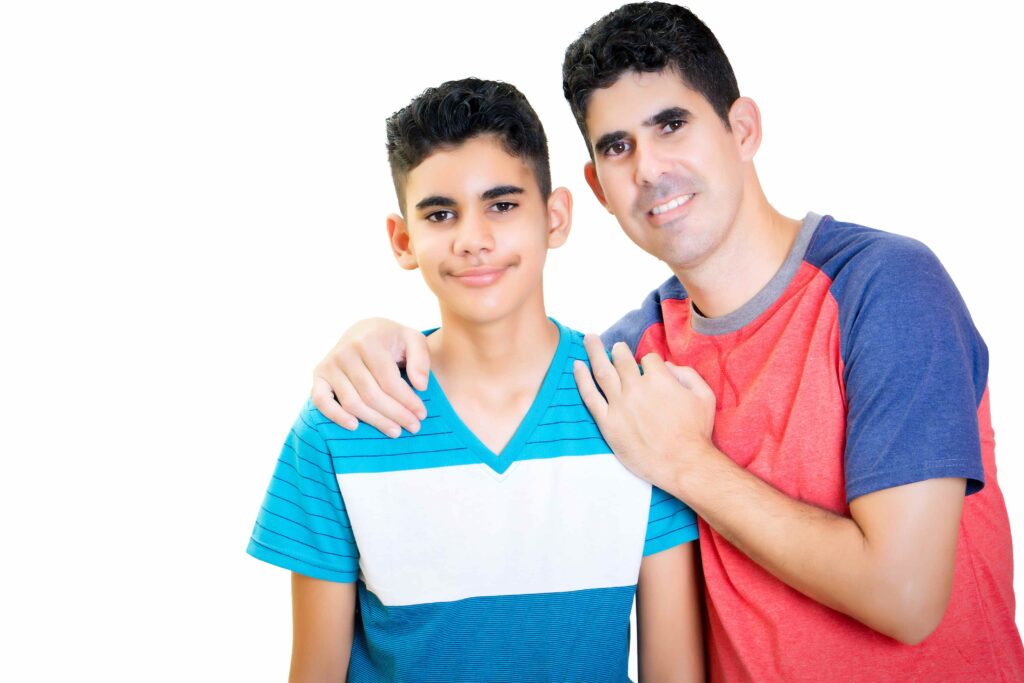
The Building Strength through Coping program consists of 6 sessions delivered by facilitators in a group setting (typically 6 to 12 parents per group) each lasting about 1 ½ hours. We recommend that facilitators deliver one session per week for a total of 6 weeks. The program, informed by the primary-secondary control model of coping1 and emotion coaching principles,2 helps parents learn scientifically-based strategies for promoting the development of effective coping strategies in 9- to 12-year-old children. By using a participant-centered approach, the coping topics are tied directly to those areas most important to the participants, including contemporary issues for today’s pre-adolescents (social media use, bullying, peer pressure, etc.). The lessons also include individual goal setting with guided instruction to help parents apply the lesson content at home.
Research on the primary-secondary control model of coping1 distinguishes between primary control coping strategies (changing the situation) and secondary control coping strategies (changing the self). Primary control strategies (e.g., problem solving, seeking instrumental support) are typically most successful in situations over which the individual has control (e.g., a misunderstanding with a friend) and secondary control strategies (e.g., acceptance, positive reinterpretation) are most successful when the individual has less control (e.g., a chronic illness). Building Strength through Coping is designed for parents of 9- to 12-year-olds because children in this age range are old enough to understand the concept of control and are at an age where they can prepare for coping with the upcoming stresses of adolescence.
Parents in the program first learn to identify controllable and uncontrollable aspects of situations and then learn to match their coping strategies to the controllability of the situation. They learn common stressors experienced by 9- to 12-year-olds and learn to have productive discussions with their children about emotions. Finally, they learn to help their children develop effective coping strategies through emotion coaching and other parenting strategies. The 6 parent sessions are:
- Introduction
- Understanding Stresses in Our Own Lives
- Coping with Our Own Stresses
- Common Child Stressors and Communicating about Emotions
- Promoting Effective Child Coping (Part 1)
- Promoting Effective Child Coping (Part 2)
Contact Us
Based on the dialogue approach to learning,3 the parent lessons proceed in four steps: anchoring the content within the learner’s experience, adding new information, applying the new content to his/her own situation, and taking away useful strategies to promote effective coping in their school-aged child
1 Band, E. B., & Weisz, J. R. (1988). How to feel better when it feels bad: Children’s perspectives on coping with everyday stress. Developmental Psychology, 24, 247-253.
2Gottman, J. M., Katz, J. M., & Hooven, C. (1997). Meta-emotion: How families communicate emotionally. Mahwah, NJ: Lawrence Erlbaum Associates.
3 Norris, J. (2003). From telling to teaching: A dialogue approach to adult learning. North Myrtle Beach, SC: Learning by Dialogue